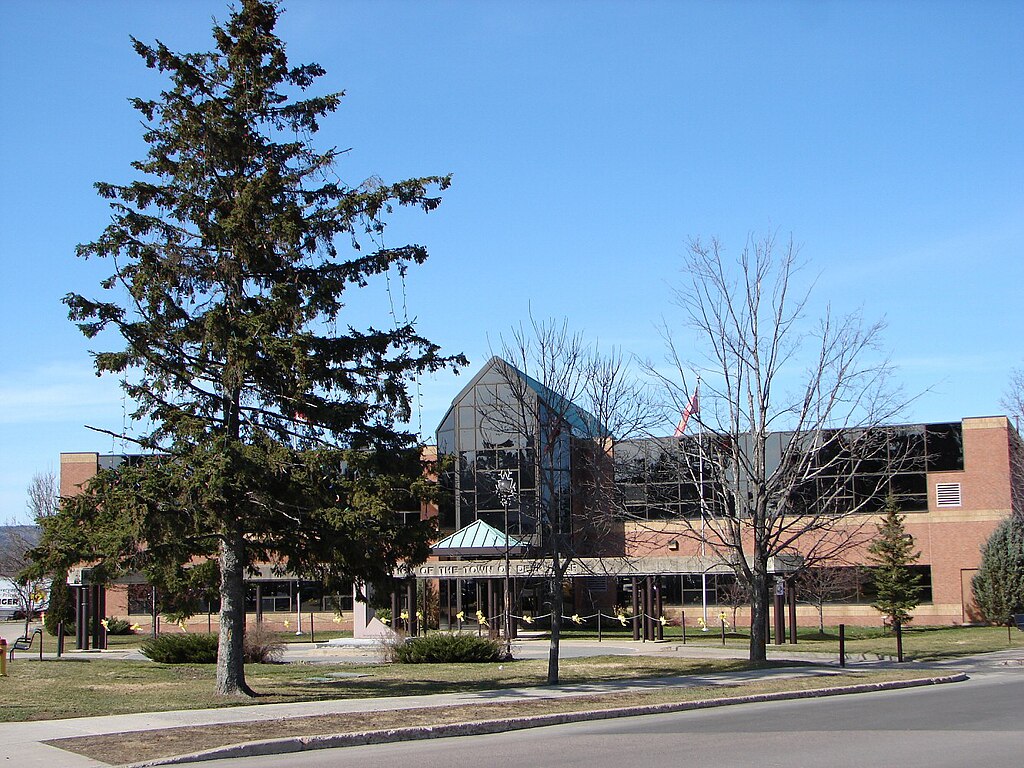
The Human Rights Tribunal of Ontario has removed a supervisor as a personal respondent from a discrimination complaint, finding the employer can adequately respond to the allegations and no compelling reason existed to keep the individual in the proceeding.
The worker filed an application on July 15, 2019, alleging discrimination because of race, colour, ancestry, place of origin, ethnic origin, disability, creed, sex (including sexual harassment and pregnancy), and family status in employment. She named both the Corporation of the Town of Deep River and her supervisor as respondents.
The supervisor requested removal from the application on Sept. 16, 2019. The employer did not oppose the request.
Tribunal’s framework for removing personal respondents
The tribunal applied established principles discouraging the unnecessary naming of personal respondents, which can add complexity to proceedings and create barriers to resolution.
Under section 46.3 of the Human Rights Code, a corporation is deemed liable for acts done or omitted by officers, officials, employees, or agents during employment. The tribunal examines several factors when considering removal of a personal respondent: whether a corporate respondent is also named; whether any issue exists regarding the corporation’s vicarious liability; whether the corporation can respond to and remedy alleged violations; whether compelling reasons exist to continue against the individual; and whether removal would prejudice any party.
“One way of approaching this question is to ask whether it is necessary to involve this person as a party in order to have a fair, just and expeditious resolution of the merits of the Application,” the tribunal noted.
Supervisor acted within employment duties
The supervisor’s counsel argued the employer was also named as a respondent and alleged to be liable for the supervisor’s conduct. No issue existed regarding the employer’s ability to respond or remedy alleged code violations, and no issue existed regarding vicarious liability.
All allegations against the supervisor involved actions undertaken during his employment duties as the worker’s supervisor, counsel submitted. The worker’s claims related to how the supervisor carried out his employment duties and did not include allegations he acted beyond the scope of those duties.
No prejudice would result from removing the supervisor as a respondent since the employer remained named, counsel argued. It was not necessary to involve the supervisor as a party to achieve fair, just and expeditious resolution of the complaint.
Worker’s objections
The worker argued the supervisor’s conduct was a central issue in the proceeding and it may be appropriate to award a remedy specifically against him. She also submitted the employer may not be able to respond or remedy the alleged code infringement.
The tribunal cited previous decisions where supervisors were removed as personal respondents when their alleged conduct related to carrying out employment duties rather than acting beyond the scope of those duties.
In one case, a supervisor who allegedly undermined a worker, stripped him of duties, made personal attacks, failed to follow policies and escalated a toxic work environment was removed because the conduct related to how she carried out employment duties, not that she acted beyond their scope.
In another case involving a supervisor who issued disciplinary action, the tribunal found it appropriate to remove the personal respondent.
Decision
The tribunal found the supervisor should be removed from the application. The supervisor submitted he was acting within the scope of employment duties rather than in a personal capacity, and the worker provided no basis in the application to suggest otherwise.
The employer was named as a respondent and no issue existed regarding its ability to respond to or remedy alleged code violations. No issue existed regarding the employer’s vicarious liability for the supervisor’s actions.
“In my view, it is an important and fundamental consideration that [the employer] did not oppose the personal respondent’s request,” the tribunal stated.
No prejudice would be caused to the worker by removing the supervisor as a party, and his removal would assist in efficient adjudication of the issues raised in the application, the tribunal found.
The tribunal granted the supervisor’s request for removal and amended the style of cause accordingly.
The matter remains pending on its merits.
For more information, see (Plaintiff) v. Deep River (Town), 2025 HRTO 3027 (CanLII).